
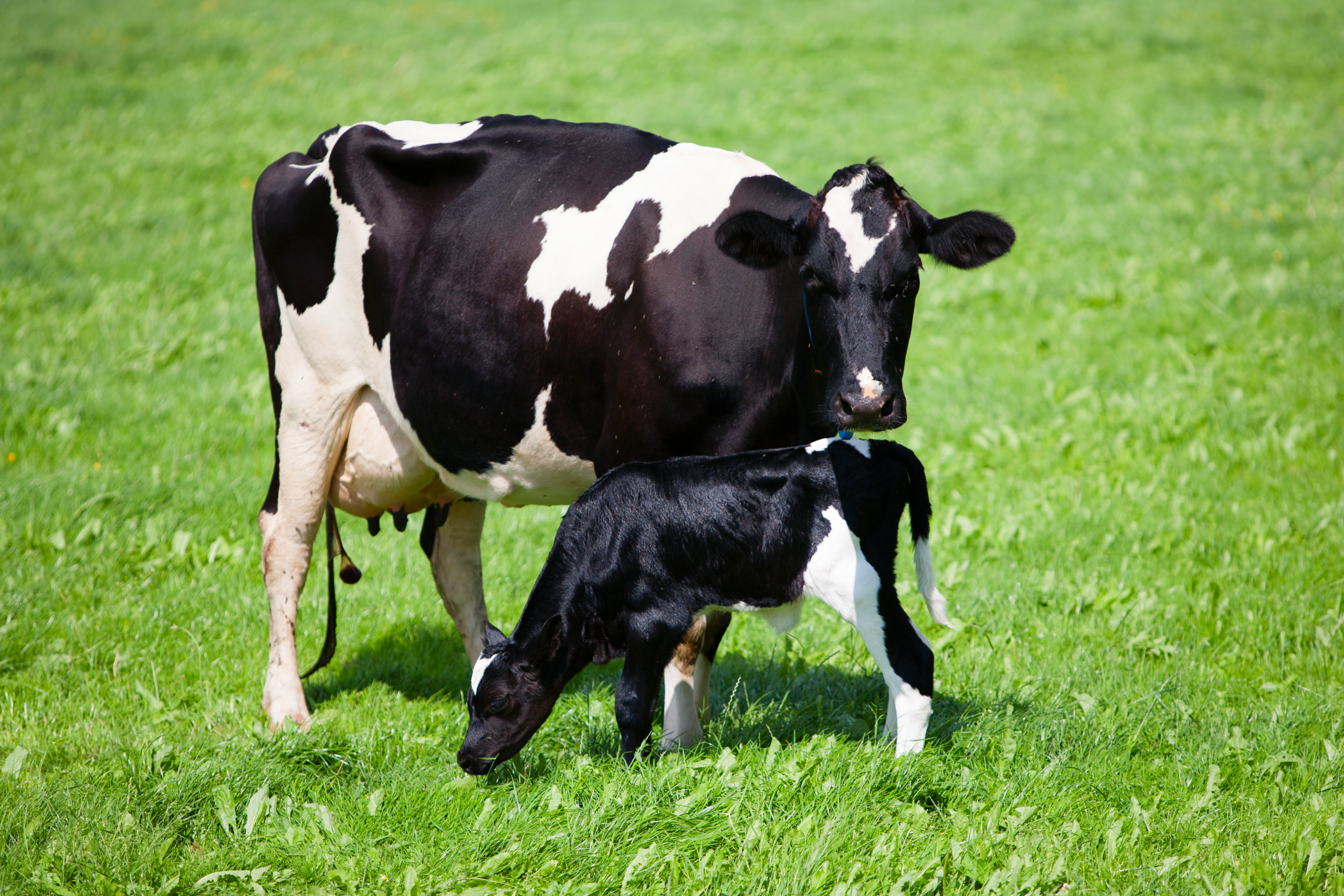
Ensuring the health and vitality of lambs and calves starts with the nutritional foundation of their mothers. Among the essential trace minerals, iodine plays a pivotal role in reproductive success, immune strength, and early development. When iodine is lacking, the effects ripple through fertility, foetal growth, and colostrum quality, often without obvious signs.
Why Iodine Matters
Iodine is a key component of thyroid hormones, which regulate metabolism and drive critical physiological processes. For breeding stock, iodine supports:
- Reproductive Health Adequate iodine levels are essential for fertility, ovulation, and regular calving or lambing intervals. Deficiency can lead to reduced conception rates and delayed cycles.
- Foetal Development Iodine-dependent hormones are vital for brain development, especially during the final trimester. Deficiency during this window can result in weak or underdeveloped offspring.
- Colostrum Quality Colostrum, the first milk, is rich in antibodies and nutrients. Iodine helps ensure it delivers the immune support newborns need to thrive.
- Overall Vitality Healthy ewes and cows raise healthier offspring. Iodine supports energy, resilience, and recovery, setting the stage for strong lambs and calves.
Iodine Deficiency Isn’t Always Obvious
Iodine deficiency often goes undetected until reproductive or developmental issues arise. While goitre (enlarged thyroid gland) is the classic sign, especially in newborn lambs, it’s not always present. More subtle but serious effects include:
- Weak or stillborn lambs and calves Deficient mothers may give birth to offspring with poor vigour, low birth weight, or high susceptibility to cold stress and starvation.
- Reduced lamb survival Even mild iodine deficiency can significantly impact survival rates, especially in cold or wet conditions.
- Scant wool or bare skin Lambs may be born with pink, hairless skin and little wool, particularly if ewes grazed on goitrogenic crops like kale or certain clovers during late pregnancy.
- Subclinical reproductive issues Fertility problems, poor scanning percentages, and irregular cycles in ewes and cows may stem from low iodine intake.
These signs are often mistaken for weather related losses or general poor condition, but iodine may be the hidden culprit. Testing and supplementation are key to prevention.
Practical Considerations
To capitalise on the benefits of iodine for lambs and calves, livestock producers should consider the following practical aspects:
- Dietary Supplementation: Depending on the iodine content in the local environment and feed sources, iodine supplementation may be necessary. Collaborating with a veterinarian to ascertain the appropriate iodine supplementation for your flock or herd is a critical step.
- Iodine Testing: Regularly assessing iodine levels in your feed and soil can aid in maintaining the right balance and making necessary adjustments.
- Monitoring and Management: Vigilant monitoring of the health and reproduction of your ewes and cows is essential. Early detection of issues related to iodine deficiency enables prompt intervention.
Stock Roots: Soil-First Supplementation
Stock Roots Pasture Product makes trace mineral delivery simple and effective. Just spray it on the pasture, plants absorb the minerals, and livestock get what they need through natural grazing. It’s a soil-first solution that supports long-term health, not just short-term fixes.
By improving the nutritional profile of forage, Stock Roots helps ensure breeding stock receive the iodine they need, naturally, consistently, and without disruption to feeding routines.
Final Thought
Iodine might be a small part of the mineral mix, but its impact is massive. From fertility to immune strength, it underpins the success of every lamb and calf born on your farm. With Stock Roots, you’re not just feeding animals, you’re building resilience from the soil up.
Comments are closed